9 – It’s growing!!

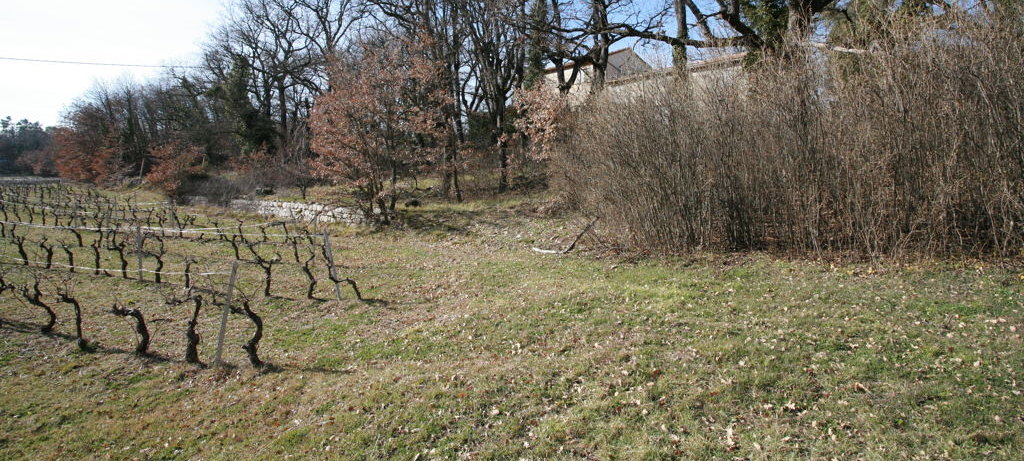
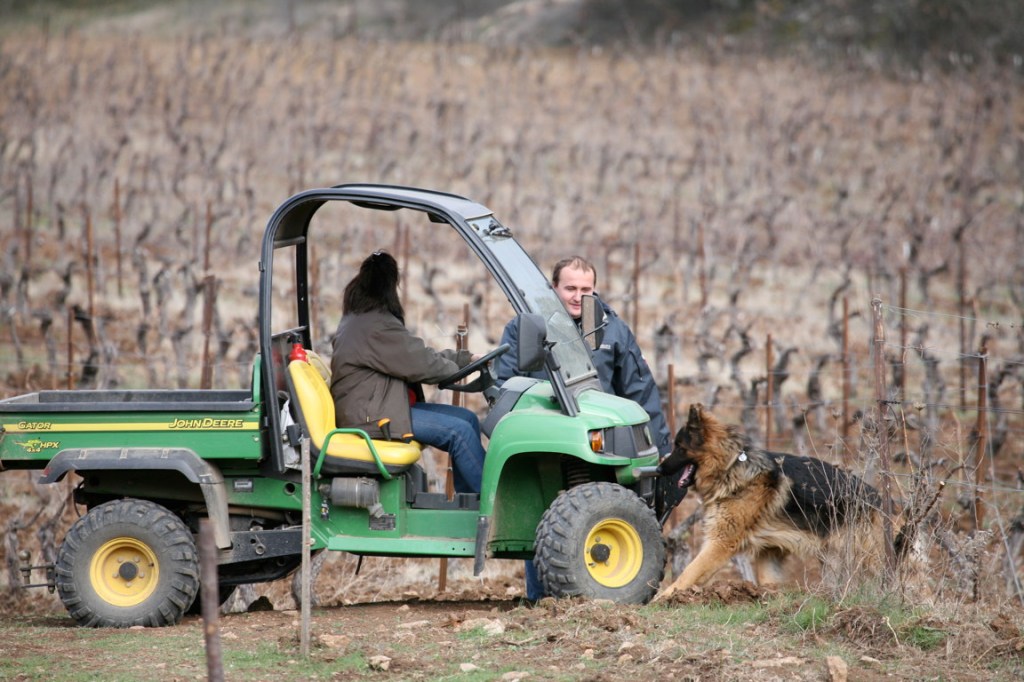
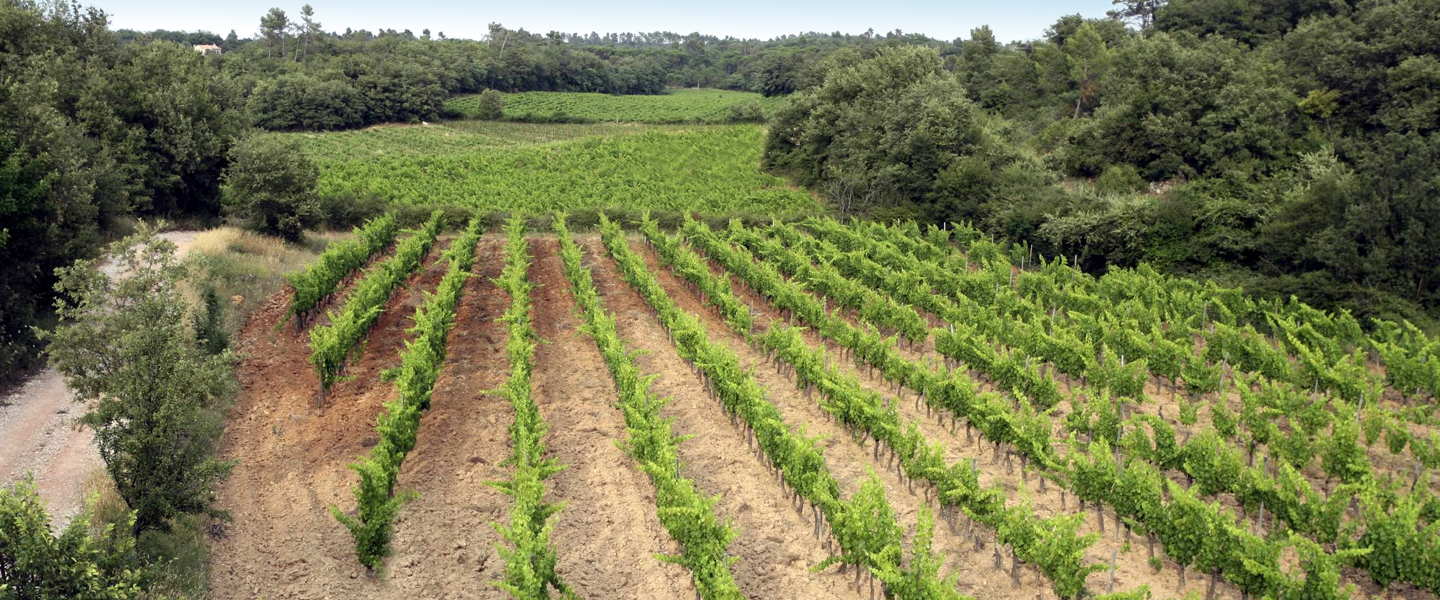
Sortie du soir pour contrôler les vignes

So far, on this blog, I was telling you about the story of how the Domain came to be and all the necessary steps to restore and restructure it.

Some chapters will still be referring to previous years, but you will also predominantly find many articles about what is currently happening on Domain grounds. Allowing you to follow, in real time, my life on the vineyard.

Sortie du soir pour contrôler les vignes
Evening visit to check on the grapevines

With the current heatwave, 37 to 39 °C in the afternoon, I only visit the vines in the morning or in the evening around 8pm. Or else I may start to melt and morph into a puddle (I may be exaggerating a bit). The grapes are growing properly despite some random mildew attacks caused by specific weather conditions, ideal for this disease; heat and rain. I wish the cycle would end soon. Vines prefer dry heat.

Every year, we install electric fences around all vine plots in anticipation of the arrival of wild boars. In fact, when barries will start to grow and become sweet, they will be targets for these critters who seem addicted to them. The sheer quantity of grapevines a wild boar can eat is astonishing. Especially true since I went full organic. Wild boars are, clearly, connoisseurs and concerned about their health because they prefer to eat my non-chemically-treated grapes over those of my neighbours.

Clôture électrique anti-sangliers, enfin, normalement !!
Anti-wild boar electric fences-ish !!

The efficiency of electric fences cannot be proven to reach 100%; some wild boars always manage to step over the fences. Without damaging them, even. In the early morning of one day, I saw a huge boar comfortably installed between two rows of vines while the fence was working and untouched. I never managed to actually see any of them step on or go over the fence, but they DO cross over… and they eat my grapevines.

I can tell you I’m not really in speaking terms with those creatures. Especially when, during harvest, some 3/4 eaten racemes make their way on the sorting table. Some harvesters have a weird sense of humour. Finding it quite funny to add some of those racemes without any fruit left into the collecting buckets… probably so I can realise how much the local wildlife loves my grapes.

Which allowed me, by the way, to realise that certain varieties are more popular amongst the wild boar population. The cinsault variety for instance – with a huge berry size – is their favourite.

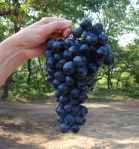
A few days ago, some of my grape berries started to change colour, turning from green to purple (a natural process named veraison). When most grapes will have reached that stage, it will mean that harvest time is only 40 days away. That’s the time required for berries to get bigger and gather sugar. The hotter the weather is, the sweeter the grapes will be. And the sweeter the grapes are, the higher the alcohol level will be; basically, the whole concept of grape fermentation is to naturally convert sugar into alcohol.

Grappe au stade de la véraison
Berries reaching veraison stage

That’s the exact reason why wines elaborated in Southern hot regions often end up with a higher degree of alcohol than some wines made in colder Northern areas.

August is quite a calm month in terms of things we have to actually do to the vines. Everything has been made beforehand. The berries only need to be left to grow on their own, hoping that the big evening storms we see these days will finally stop, or they will start to damage the grapes.

I think most of you must be on holidays right now but I will give you some news from time to time, waiting on the very important harvest time, which should start around the 20th of September.

See you later.

Please leave any comments you may have in the section below.

Adapted from the original French by Yann Sicamois.

8 – Organic certification

Organic certification, Year 2013

It wasn’t enough to put all the efforts in to make the best wine possible, I had decided from the start, to only use organic products during vine-growing. Soil sampling had to be conducted during the first months after the purchase of the Domain, or rather, the purchase of that thing which was in a serious state of dereliction. We needed to know if the soil had been polluted by chemical treatments from a previous owner or if the soil was good enough after a 4-year period without vines being used at all.

Young Syrah vines, freshly planted, in 2008

Luckily enough, not a single trace of chemicals was left in the soil. Thus, I would be able to use organic products to treat and feed old vines as well as new ones. I never had the time to initiate the organic certification process. I must admit that there were so many things to actually do, like restructuring the vineyard and intense construction work, that I wasn’t really excited by the idea to put any time aside to fill certification paperwork.

We were now allowed to print the AB logotype on our labels

I knew I was already using organic products. I used to print on the back label that my wines were made from a process devoid of chemical products, thinking it could be enough for some time. But in 2009, pressured by some of my customers encouraging and convincing me of the necessity to have the Organic Certification, I took the necessary steps. This would allow me to print the famous AB logo on all our marketing collateral and on the bottle labels.

I had to wait for 3 years, starting in 2010, a period of ‘organic reconversion‘, now made mandatory by certification companies so that soils being treated using chemicals had time to naturally get rid of all traces of pesticide and other harmful products. Three years to get, at last, the famous ORGANIC-certified label. I can tell you that, when I received the certificate validating my wines as organic, I was very happy. I found the logo itself to be beautiful, with its stunning shade of green and the superb design of the AB letters. Anyway, I might be a bit too enthusiastic on this, but I think you got the point… I was extremely happy.

From this moment on, I was able to attend fairs dedicated to organic wines and sell said wines into organic-only shops.

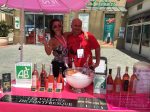
Sophie and Yann during Just’Rosé in Sanary-sur-Mer, that same year the wine were organic-certified

I also started to get my wines into competitions. At least, those I could include because most competitions require wine samples to be sent around December or January. Pushing my wines too hard during the winemaking process to get them into competition in time was NEVER something I had in mind; so I could only participate in late competitions because my wines are bottled around March. Not in December!!!! Someone will have to explain to me, one day, how it is possible to have one’s winemaking process entirely finished by December… when the harvest occurred in September. In any case, as far as I am concerned, I’m letting the winemaking process occur naturally without rushing it and that’s precisely why I am not introducing my wines to all competitions.

This does not prevent me from getting medals each time my wines enter a competition.

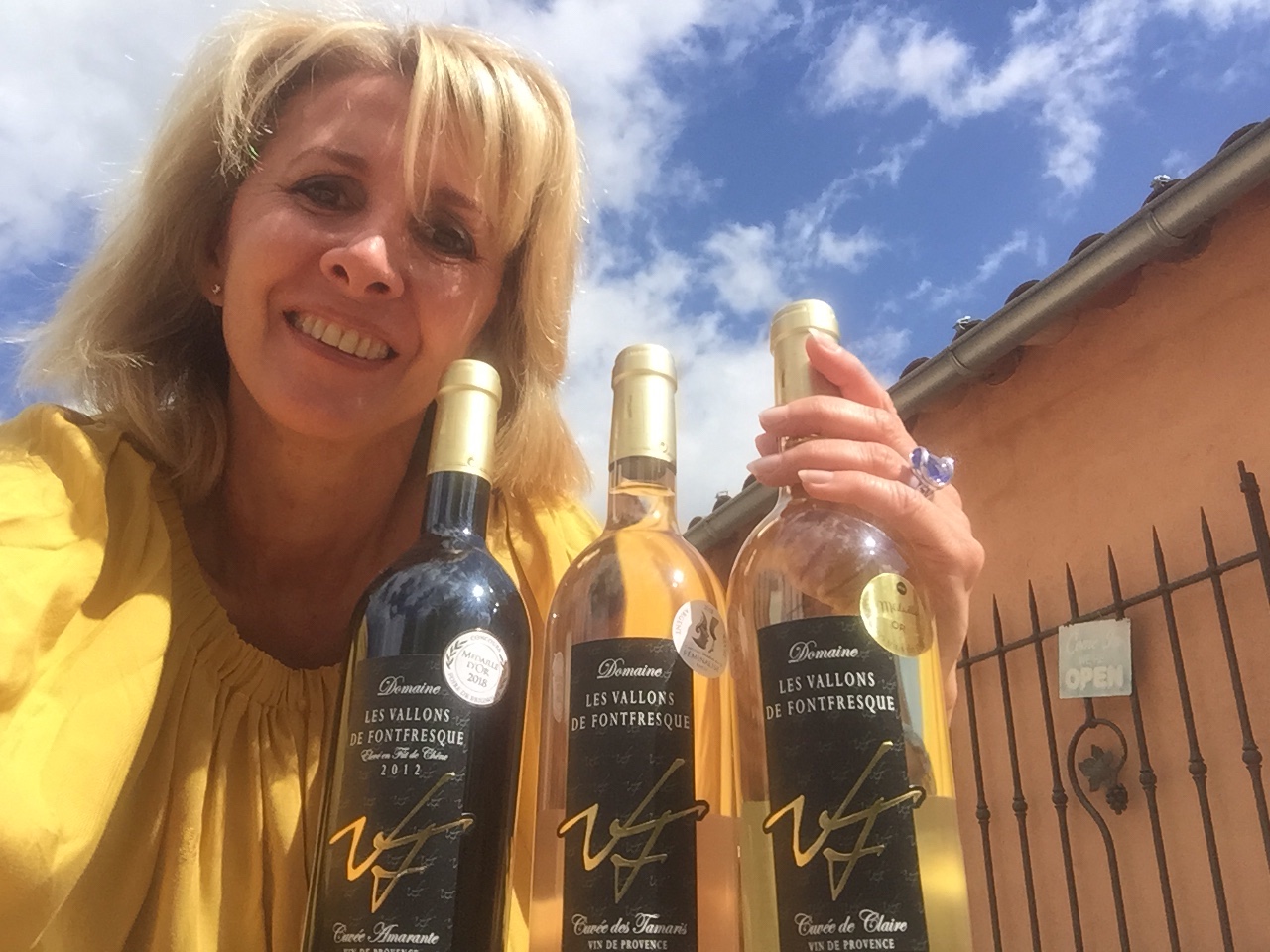
White, Rosé and Red, all with GOLD of SILVER medals

This is a subject of great pride too!!! Whatever one might say, when you receive a letter confirming your wine has earned a medal – and a great one at that GLOD or SILVER – you are proud. (I must say I dod prefer when it’s a GOLD medal, and some people might say that women love shiny things, but that would just demonstrate their bad disposition indeed)

See you next week, for a new chapter of my story.

Please leave any comments you may have in the section below.

Adapted from the original French by Yann Sicamois.

7 – Sales

First harvest and first bottling done, I faced a little issue!! And ‘little’ is me being under-dramatic. Not that little indeed! It was actually the MAIN problem. It’s all well and good to make the best wine possible but… the next step… is to sell it!

I was not really planning on drinking it all by myself.

I could not have customers turning up at the Domain just yet because loads of construction work was still needed and I did not want anyone from the outside world to see it before it was ready. I, alone, knew what the plan was. It was all laid down in my mind.  But I could not hope anyone else was to imagine how the Domain would look like once I was done with all the work and embellishments I had in store.

I met restaurant owners and wine shops managers so they could taste my wines. I placed ads in various magazines, which cost me an arm and a leg by the way; and more importantly, I went to fairs to raise awareness towards my wines. I did a lot of those wine fairs in the early years, all around France and especially in the biggest of them all, happening in Paris each year.

With my daughter Sophie, ‘Salon des Vignerons Indépendants’ – Paris

As time went by, I was pleased to have loyal customers who were coming back each year. Some of them came to the fair for one reason only, purchase some of my wine and, in these instances, I was overcome with joy and pride… I’ll always be grateful to these early loyal adopters for purchasing my wines…

I was lucky enough to have my wines selected to be included in the Hachette Wine Guide since our very first harvest, in 2008. In hindsight – and remaining as humble as one can be (that’s a joke there, but you knew that already) – luck had nothing to do with it.  The wine had been selected because the Hachette Wine Guide judges (a bunch of exacting people) found it to be very good. Some vineyards have to wait for years before their wines are selected to appear in this guide. Mine was in the guide as soon as 2008, that year when I had the occasion to get wines presses to make rosé and white wines. I did not have them for the first harvest because we only made red wine and the grapevine quantity at the time was so small that it was impossible, in 2007, to make other wine colours.

Selected by the Hachette Wine Guide, from 2008 to today

I had to bring customers to the Domain itself. So I went back to the drawing board and conceived the tasting room.

Building the tasting room, drilling an opening into the chai to allow direct access to the winemaking facility

Construction work started in Winter 2010, in a cold like the ones you find in Siberia. Certainly not the ideal time of year but I absolutely wanted my tasting room ready before the following spring.

Delivery of the huge chestnut tree beams – 2010 – Siberian Provence

The bespoke ceiling woodwork was made from chestnut tree wood, by a young local carpenter. Huge beams for this beautiful key element of the tasting room were installed.

Inside the tasting room, almost, like ALMOST ready.

I wanted this place to be lively and welcoming so the customers would want to spend time there. Big enough so it could have a bistro vibe, with dedicated tables and chairs as well as, more importantly, a huge bar with a zinc countertop. It was built on site, following my design.

The zincless zinc counter (but the top is coming, honest!)

We had purchased rolls of zinc in order to cover the top of the bar counter but it wasn’t easy to shape it as I wanted. The metal would not be shaped in any other way than rolled; it had to have been stored that way for too long. The metal almost won the shaping battle. So much so that I started to wonder, in the end, if it might be preferable (and way easier) to leave it as is, with a wooden countertop. But there was no way a piece of metal would not bend to my will, and we finally managed to find a few tricks and many clamps to keep it in place in the shape I wanted.

Not so arrogant with all those huge clamps now, are you?

The following year, an arbour was built, behind the tasting room; thus allowing groups of people to lay back without being burnt by the sun, and taste our wines just in front of the vine rows.

Ah! The delightful white wine (from Les Vallons), enjoyed under the arbour (in front of the vines).

I was talking about Siberian cold earlier, wasn’t I?

Siberian Provence and its vertically freezing water.

See you next week, for a new chapter of my story.

Please leave any comments you may have in the section below.

Adapted from the original French by Yann Sicamois.

6 – First bottling

The day of the very first bottling came… at last!!!

After a full year of ageing in oak barrels, the red wine – made from the very first grapes we harvested – was finally ready to be transferred into bottles. We needed to find, before this « historic » date came (you may have noticed that I’m always extremely humble when it comes to the words I use in my stories), a name for this first wine. It is harder to think about a name than one may imagine. That name must highlight the vineyard, the winemaker, the place or anything which would make it a symbol, which bears a message.

After spending many a night thinking about it and asking relatives for advice, a name was found.  This first wine would be called… Cuvée Regain… to symbolise the upsurge (‘regain’, in French) of those vines that did not deserve to be abandoned. Only this first wine would be named that way.

Creation of the Domain logotype which would end up on all bottles

Labels were needed, created from scratch and required to highlight the Domain‘s identity as much as my own. Modern and elegant, as well as long-lasting, visuals and designs were required. So, I took out the drawing table I sued to work with when I started to study Arts a few years prior. Here too, I needed a few days – and some nights – to create a drawing I was happy about.

D-Day, a wine bottling expert came to the vineyard, with his machine. I did not have the required equipment and this sensitive stage needed, without a doubt, to be executed by a professional contractor.

My daughter Sophie helping with the bottling

My heart was beating so fast. As long as the wine wasn’t in bottles, anything could happen…  a valve from the machine could break and cause a loss of wine, a problem with the bottle themselves or the corks or with… anything, really…

The bottle filling was done quite slowly in order to avoid traumatizing the wine, the total quantity was so small I could not afford to lose a drop. When the bottles were sealed with the capsules and labels were placed, I was overwhelmed by positive emotions.

Bottles inside the machine, filling in progress

Voilà, it had started, my first wine was a reality, right before my very eyes.

First bottle, Cuvée Regain

I had a hard time selling this first wine. Not at all because it was not a good wine – au contraire, it was actually rather delicious – but because it was hard to let go of it.

I almost had to fight certain customers who were liking it so much that they wanted to buy the whole lot. In the end, I managed to keep some bottles of this Cuvée Regain. I take a bottle out from time to time, when unique occasions arise.

The following year, the harvest yielded way more grapes, we would be able to make rosé and white wines too. Our very first wine press had been delivered by a truck equipped with a crane and placed in its attributed spot on the upper level of the chai.

Installing our first wine press

We were ready for our second harvest. We needed more people this time around. Children, nephews, friends, neighbours and other local people were there, always in a belly-laughter kind of ambience, for our second manual harvest.

Once the grapevines reached the chai, they were placed on the sorting table. We were always at least 4 to sort the recemes and I can assure you that nothing, exept grapes themselves, had any chance of finding its way into the wine press. Any leaves, any insects… all were removed because, even if some winemaker call this the « terroir effect« , I preferred my own terroir to express itself in another way.

Please leave any comments you may have in the section below.

Adapted from the original French by Yann Sicamois.

5 – First harvest

Grenache variety old vine we managed to save

End of septembre 2007. Our very first harvest. I was so impatient. I found the grapes to be beautiful, of course and I hoped the first wine would be as good as I wished.

With the few surviving varieties, it was only possible to make Red wine during this first year. I could not have made any other colour anyway, because I did not have any wine presses, essential for Rosé and White wines.

vendanges
Looking for racemes

Only a small number of people were present for this first harvest, family and some friends; this moment remains unforgettable for some and especially for me. The first harvest, to make the first Vallons de Fontfresque wine. A key moment!!! We paced the 5 acres of vines which we were able to save, armed with pruning shears and grape collecting buckets. Each vine tree was checked thoroughly to make sure we did not miss any raceme; there were so few of them, missing any wasn’t an option.

Repos vendangeurs
Well deserved break

We had good amounts of collective belly laughter during this first harvest, but also good amounts of lower back pains. We started collecting the grapes very early in the morning so that they would be as cold as possible, the vine leaves were covered with morning dew and we were quickly drenched in water as we were getting close and personal with the vine trees. The mid-day sun quickly solved this issue and after we walked in each and every vine row and carried dozens of buckets full of grapes, we were finally dry again.

caisses et seaux
First grapes

We only had enough to fill a small tank with the amount of grapes we collected but, I was sure of one thing, this would be my Collector cuvée; it would, obviously, be magnificent!!!

raisin tombe dans cuve
First ‘homemade’ harvest before all the chai construction work started
Sophie sous l'égrappoir
My daughter Sophie, under the stalk separator

After many acrobatics and gym sessions in the chai to get from the upper level to the lower level via the tiny wooden ladder because the stairs were not ready yet, we managed to master the winemaking right away, with ageing in oak barrels.

This was also a great moment, getting our first barrels. We went to purchase them in a prestigious vineyard in which they were already used to make wine. It really helped to mitigate the wood strength of brand new barrels and take advantage of subtle aromas infused into the oak of these used barrels, coming from previous wines. Pro oenologist tip…

je goute le 1er jus
Me, tasting the initial grape-juice.

For the following harvest, in September 2008, the chai construction work was almost over so we needed massive stainless steel tanks because we were about to start making White and Rosé too.

We were eagerly waiting for these stainless steel tanks to arrive, we absolutely needed them. We were still waiting for the tanks, one week before the harvest was set to begin. Each day, we were promised an immediate delivery. Two days before the start of the harvest, still no tanks. The contractor calls me, panicked, and we were even more than he was and for good reason, our whole vintage was at stake. His truck, the one in which our tanks were loaded, had been stolen during the night!!! I must admit I only thought about my tanks at that point, and did not care about his truck at all. Fortunately for me, a lucky star was shining somewhere, the truck thieves had the excellent idea to unload the tanks with the onboard crane so they would not prevent them from driving away as fast as possible with their ‘prize’. The contractor borrowed some other truck to deliver those long-awaited tanks.

Cuve dans travée
The tanks almost did not make it into the chai

Ohh, the angst!!! It looks like the tanks are bigger than the huge chai door. How could such a thing be possible!!! We had made all the measurements. There was no choice, they HAD to get in. Two centimetres… was exactly the distance between the door sides and the tank itself. Had it been slightly askew, it would never have entered the chai, it was quite clear. After a few hours, advancing one centimetre at a time into the main corridor, the two tanks were lodged into their assigned resting spots. We had taken huge risks; they finally got in and it was a matter of millimetre adjustments. They would have to stay in there for a long while because there was no way we would move them later.

2 cuves
The two tanks, in their resting spots, millimetre adjustments

See you next week, for a new chapter of the adventure.

Please leave any comments you may have in the section below.

Adapted from the original French by Yann Sicamois.

New Vintage Day – 1st of July 2018

Terrific ambience, courtesy of the great FIVE BLUESMEN band

We have a short break in the history of the Domain because of an important event which occurred on Sunday the 1st of July.

The pictures from this perfect day were taken by Alexis Rostan Photographie.

Every year, to introduce the new vintage to my clients, I plan a special event on Domain grounds. This time, 150 people joined me and spent good times under the arbours in front of the vines while enjoying the excellent culinary creations from my friends Marie-Pierre and Alexandre GALL (tastebuds agitator LOCODICI).

With my friend Marie-Pierre GALL, Chef, creator of delicious dishes

Refrigerated rosé wine, ready to be tasted!!!

Buffet inside the tasting room
Lunch with a view… on the vines.
Music, good food, magnificent wines (obviously), a great moment for all
Me, happy that my guests are having a great time
Every wine was tasted
Delicious tapenade
Blues concert, with the excellent FIVE BLUESMEN band

Little things… delicious littles things.
Ambience and dance

This day was so successful that I may very well do more of those Lunch-Concert-Wine tasting events at the Domain.

I’ll see you on Sunday the 8th of July, when the history of the Domain will resume!!

Claire

Please leave any comments you may have in the section below.

Adapted from the original French by Yann Sicamois.

4 – The winemaking facility

Chai et Caveau de dégustation après travaux
Winemaking facility (chai de vinification) and tasting room, after intensive construction work

Vines restructuring well underway, it was time to start working on the ‘chai’ (Translator’s comment: French word for the actual winemaking facility where the grapes are turned into wine, pronounced a bit like BAY). My project, insane as it was; to produce my first wine in this chai following the very first harvest, looming on the horizon… in September 2007. You have seen, in my first chapter, how the chai looked like as I saw it for the first time; you, certainly, have been impressed – as I was – by its state.

Where was I to start? A tremendous task ahead!!! Maybe not for people used to constructing pyramids on a daily basis, but for me, it was a huge challenge.

Starting construction work on the chai – October 2006

It would have been way easier to just bring the grapes to a local co-operative for 2 or 3 years, while the chai construction works were peacefully conducted. Not on my watch! I HAD to make my wine on Domain grounds from the very first harvest on.

We had to destroy every useless part inside the chai and completely redesign it. It was 40 year old and must have been used to produce more than a thousand hectolitres of wine a year, looking at the size of some of the concrete tanks found there. It certainly wasn’t with the 12 acres of vines we would end up with, once restructuring was done, that we would be able to fill those huge tanks.

360 hectolitres concrete tank, front side and top were cut

We then had to open all of these oversized tanks and create empty spaces to make room for temperature-controlled stainless-steel vats. Something I can tell you for sure, in old times they knew how to make ultra strong concrete. The extremely thick walls of those tanks were completely filled with metallic wires. The quantity and thickness of those wires made it clear that this concrete was designed to last hundreds of years.

We used a whole array of equipment to destroy those obsolete walls; pneumatic drill, disc grinder, diamond chainsaw. Oh yes, very luxurious, but diamond chains were the only ones sturdy enough to cut trough that kind of concrete thickness. Eventually, I just stopped counting how many of those we used. However, this diamond thing was starting to be extremely expensive and alternative solutions needed to be found; we were never in the process of building a high-class jewellery, but a winery. We managed to finish the whole thing with a thermal lance.

We did keep one tank upstairs and transformed it into a tiny office – the red varnish on its ceiling was washed and left as-is.

It was also required to create a real staircase in order to move easily between the two levels. It looked like this place was designed at the time – 100 years ago I reckon – to be a semisubterranean building. Which means the upper level of the chai can be accessed at ground level, the lower level being on the hillside. The lower level was also at ground level but on the other side of the building. This construction technique allowed temperature isolation from the soil and natural temperature control inside the chai, all year long.

Drawing of the chai, upper and lower level entrances

A staircase was paramount, the only way to quickly get from one level to the other was a flimsy wooden ladder. Let me tell you that, after risking my life a few times on insecure steps, I was more than in a hurry to get the stairs completed.

My second son, Marc, opening a stairwell with a pneumatic drill

Many months of construction work were required to make the chai what it is today. I will spare you the long and boring details but know that no amount of unexpected incidents and difficulties were spared, eventful from the word go.

My dog Blue was very busy too during all of this. Well, he actually preferred to oversee all this turmoil, from a distance, ensconced in a backhoe bucket.


Coming up next week, a few words about the anguish we experienced when we realised that the stainless-steel vats we ordered might not actually be the correct size to fit in the chai. À bientôt.

Please leave any comments you may have in the section below.

Adapted from the original French by Yann Sicamois.

3 – Restructuring

Spring water fountain – Mas de Beauvoisin-Fontfresque

I had to find a new identity for the vineyard. Its original name came from the locality it is seated on but I found it rather austere to say the least, very martial… ‘Domaine de Camp-Redon‘… as it turns out, many Roman camps were located in the area and we were in the middle of one, precisely. I usually like History but the name was just too ugly, I had to change it.

Hence the start of a family-wide quest, looking for a suitable name. Yann, my eldest son, came up with the start of an idea, « Les Vallons » (« hills »). The domain is located on the foothills of Sainte-Baume mountain and is, incidentally, hilly.

« Les Vallons » wasn’t bad, but a bit short so something else would have to be added after that. That’s when I though about borrowing part of the old family property‘s name, which was called, since its inception (1532, a while ago!!!, a local heritage house in the Pourrières Valley); Mas de Beauvoisin. This house has, on its right side, a big pool (bassin) collecting water from a natural spring located somewhere on the Sainte Victoire mountain nearby. We used to drink straight from the fountain attached to that pool when we were younger.

Spring water pool – Mas de Beauvoisin

The water is pure and fresh so my parents decided to attach the word Fontfresque to the original name. In old Provence vernacular, it means; cold fountain.

As years passed by, the Mas de Beauvoisin-Fontfresque name disappeared to become, once again, Mas de Beauvoisin. It was shorter… easier… Fontfresque being a rather difficult name to spell.

I was rather nostalgic about this specific word which was the perfect embodiment of this house and its fresh water fountain.

So I decided to repossess the name. Especially since a perched water table (no more than 20 meters under our feet) is located on vineyard grounds, while our neighbours had to dig about 150 meters to reach their natural water. Our very own water is pure and fresh. The Fontfresque name was, thus, perfectly suitable.

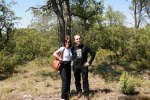
Yann and I in the early days – Thinking about a new name

So… my son Yann and I re-christened the estate. It would be called:

Domaine Des Vallons de Fontfresque

You might argue that it’s still rather hard to spell! The name is indeed butchered by many and I must, most of the time, actually spell it letter by letter so it’s properly understood. But never mind, I love that name and I am taking responsibility for all pronunciation nightmares to come.

New name and logotype

Our name found, the biggest challenge was to come. Saving those poor dying vines.

Yann and I, with Blue and Una, in abandoned vines

Winter 2006 was the moment when the vineyard was restructured… more than 50% of the vines were plucked off.

Unfortunetly, 7 out of 12 acres of vines could not be saved. The remaing 5 acres were pruned very short, only leaving vine stumps. It was heart-wrenching to see my vines like this but it was the only way to save them.

I waited, fearfully, for months, until Spring came. I was keeping an eye on the arrival of the first green leaves after such a drastic pruning and… here they came, at long last!!!

Very first post-pruning leaves

Every pruned vine eventually came back to life; alive, kicking and as strong as a vine can be, like a big thank you for the unexpected rescue.

I was overcome with joy. I would spend hours between rows, looking at each little individual vine, gazing lovingly telling them… I am here… we will make great wine… together…

Then came the weather anguish; a late frost should not occur as it would completely destroy all previous efforts and make it necessary to repeat the whole process the following year. Recently restructured vines should not be exposed to diseases as they don’t have enough strength to defend themselves, the summer drought should not happen… it should not… it should not…

New vine seedling – Syrah variety

A lucky star was shining bright that year… nothing prevented the successful Rebirth of the Domain.

To be continued… next week. À bientôt.

Please leave any comments you may have in the section below.

Adapted from the original French by Yann Sicamois.

2 – You are insane!!!!

« You are insane, we are not buying this!!!! »

My husband was, clearly, not impressed by the charm and potential of the place.

I could hear myself replying :

« Yes, we will buy this, and quickly too. Everything needs to be done, yes, but the place is magnificent with an enormous potential. Don’t you worry, I’m taking care of everything. »

Voilà… it was said!!!

Now, I had no choice but to undertake the whole thing.

My husband understood that, on this one, I needed to go it alone.

I threw myself into this adventure as if my life depended on it. A vital need, really. I certainly needed, at that point in my life, to get through a project of that scale.

I wasn’t crippled by any kind of fear. In retrospect, I probably should have been, for I never realised how hard it was going to be.

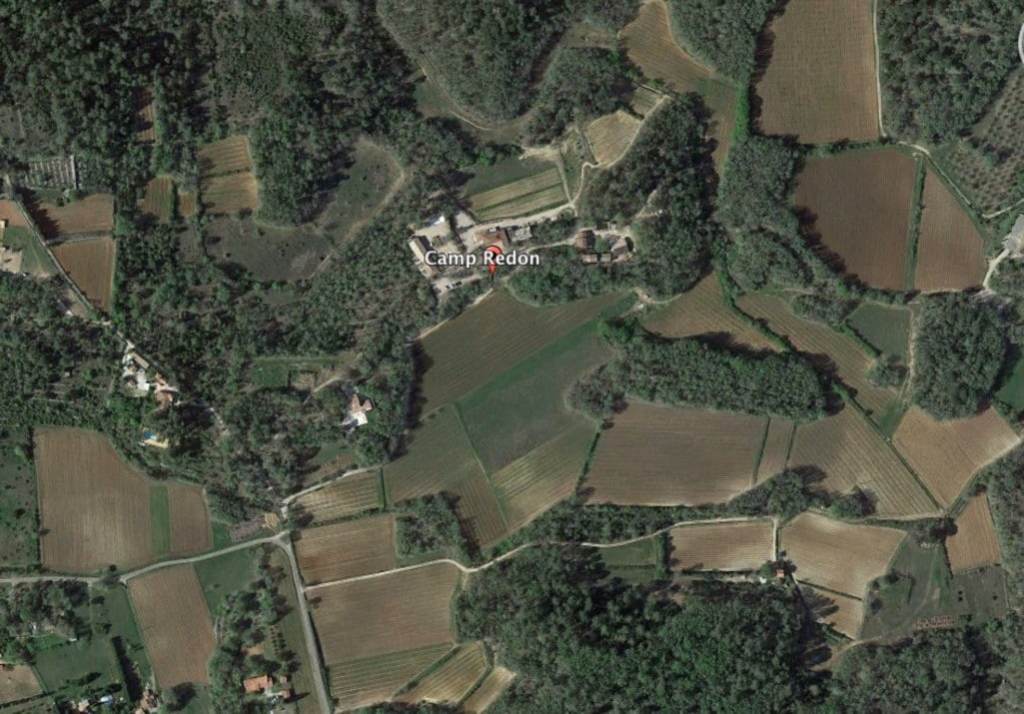
Satellite view

I had to convince a banker, thus securing the required funds. The project was massive, and I needed solid arguments before presenting this projet so the bank would lend me those funds, as if it was a self-evident thing to do, even for a project as crazy as this one. Must have been the way I described the whole idea or my enthusiasm that did the trick because said banker was convinced… on the spot. Hurray!!

Then, I had to find the right people to assist me in all those key steps; restructuring the vineyard, saving as many vines as possible, restoring the winemaking facility (the ‘chai de vinification’), building a warehouse, creating storehouses for barrels and bottles, designing and erecting a tasting room, renovating the dwelling house, restoring the old building, etc… All of this could only happen with time, little by little, managing urgent tasks as they came along and delaying some goals close to my heart but which needed to be postponed for lack of funds.

With Yann, in an abandoned plot of vines

For starters, I needed to secure the assistance of a very good oenology lab, perfectly skilled in winemaking techniques – or vinification – but also experts in wine growing. My love for vines not being enough to be knowledgable on the subject. The latest studies I engaged into when I went back to school a few years before – of my own volition, purely for enjoyment purposes – were focused on Art.

Making wine is an artform… maybe I had all my chances in the world to succeed in making a wine in which I could express my artist’s sensitivity. Not so simple!

I must admit that, before the Domain adventure, I wasn’t the biggest wine lover. I did not drink that much, just a glass from time to time to enhance a good meal. My life wasn’t turned upside-down by a love for wine but – as I told you already – by my love for vines.

With Les Vallons vines

I needed to learn everything with regards to wine…

In hindsight, I must say that a good deal of recklessness was required to embark on an adventure of that calibre…

I had to battle against loved ones constantly telling me it was a crazy idea to get myself into something like this… that it is very hard work… especially for a woman inside a male-centric industry. Even though the number of female-owned vineyards is growing, the wine circles have always predominantly been comprised of men.

Especially tough as I had no precedence in the profession, so… no credibility… I needed to fight twice as hard to prove my choice to be the right one.

I never had any doubts… not for a second… I was going to make it… sure thing!!!!

My children were very supportive; they had their own lives in different places, but were proud to see their mother’s work and resolve and it galvanized me even more. Their input and outlook really mean the world to me and it would have been a very difficult situation to live throught if they had not given me their full, unconditional and enthusiastic support on this project.

With my children, Marc, Yann and Sophie – 2005

They would follow, from afar or a bit closer – depending on where their lives lead them – all the steps I was telling them about in great detail, and they actually came to the vineyard as much as they could to see every new achievement.

I’m convinced that, in a corner of their mind, they must have been telling themselves that their mother was a bit…how shall I put this… unreasonable… or even maybe… completely insane, to embark on an adventure like this one…

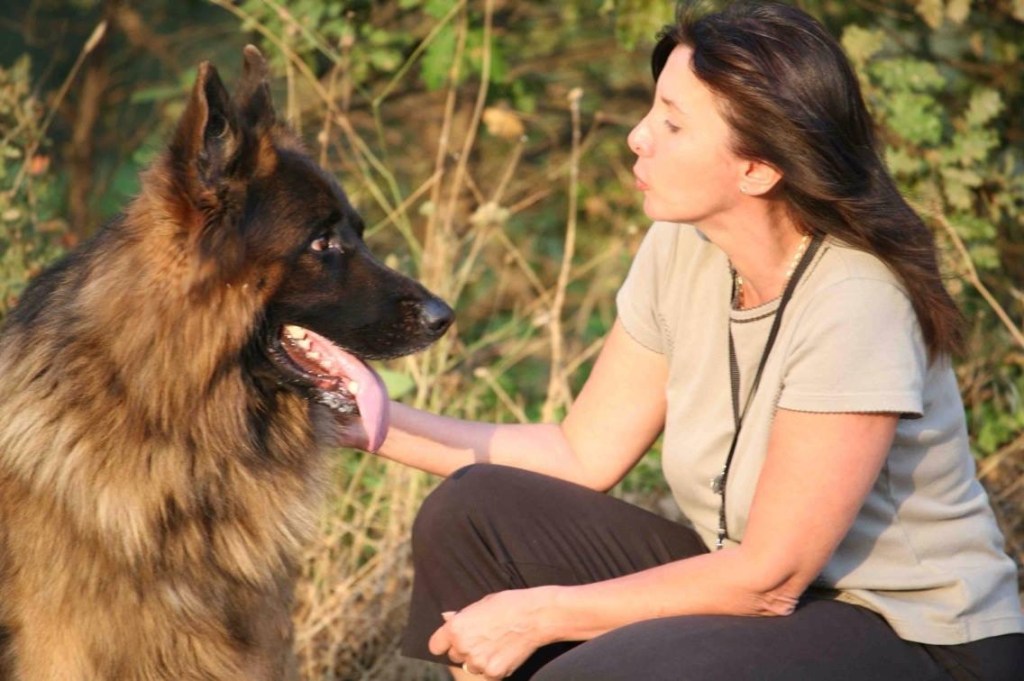
I was also unconditionally supported by my dog Blue, who was following me everywhere; my wonderful companion I loved so much…

Blue and I – 2006

To be continued… next week. À bientôt.

Please leave any comments you may have in the section below.

Adapted from the original French by Yann Sicamois.

1 – Origins

Welcome,

I will tell you a story, not any kind of story though… a tale of love and passion for grapevines and the nectar made from them… Wine.

This story… which I really want to share with you today, will transport you to the beginnings and bring you along with me on the current journey.

It all started 12 years ago… was entirely by chance… or maybe not, who knows, it must have been written somewhere, maybe destiny?

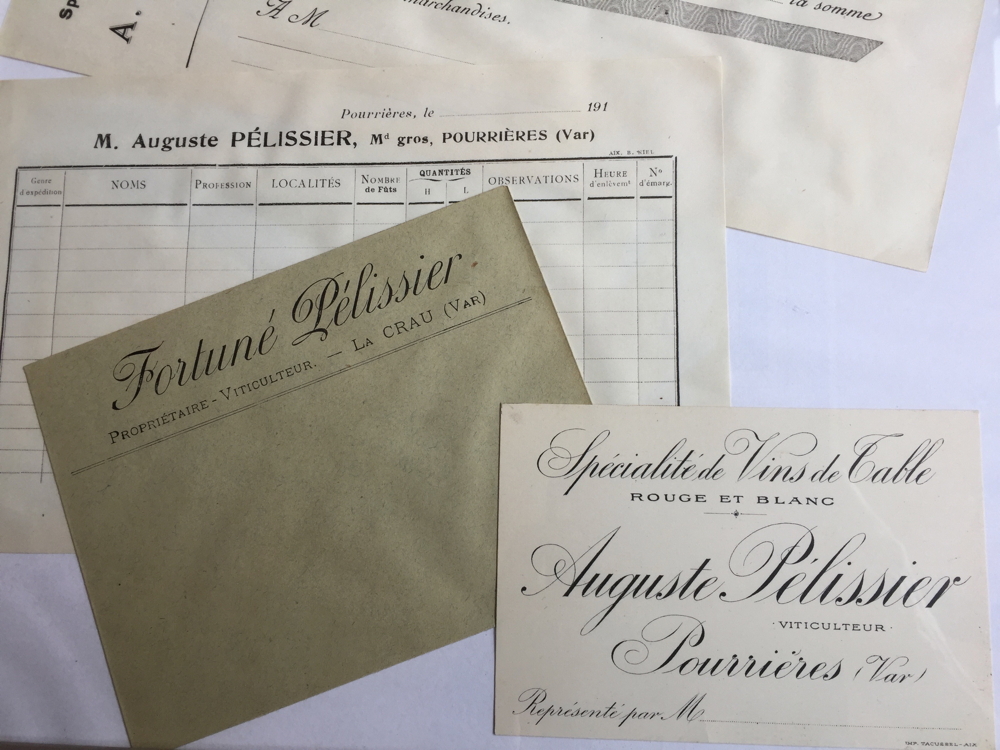
My great-grandfather and great-great-grandfather were, respectively, grape grower and vintner. Yes, I can hear you say “Wow, this goes back a long way”.

Branded paperwork dating back from the time Auguste and Fortuné Pelissier were in business

It does go back indeed! But my father and grandfather never directly did anything with grapevines, even though they were abundant on family-owned grounds; I can only compare myself to those distant ancestors then.

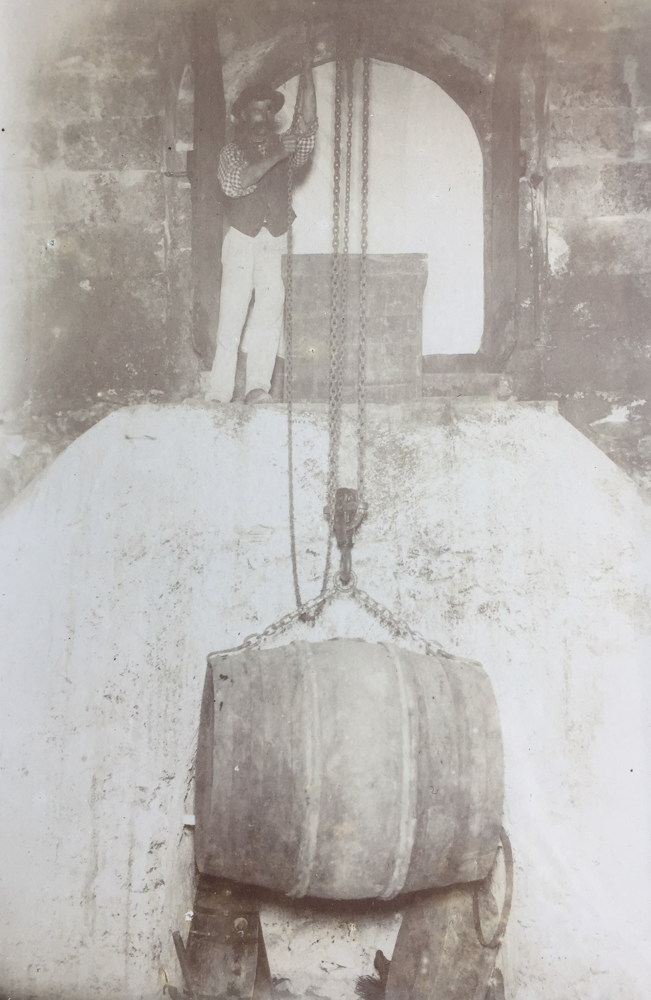
Fortuné Pélissier in his chai in La Crau

A tiny bit of winemaker gene of some sorts must have been transmitted and skipped a few generations before it landed into my little self.

So… in short, the story goes like this.

On a day of March 2006, I was scouting around for houses in the area, to help a family member who was looking for a place to live in Provence. I have to say that I love everything related, in some way or another, to houses, architecture, renovation of old buildings, creation of living spaces, etc… By the way, if I have had time to do that in my life – but I was already busy with a million different things – I would have ended up in a real-estate related job; I love it that much.

But, that’s the the purpose of this blog, I digress… it’s highly probable, by the way, that I may often digress while narrating this adventure.

So, in March 2006, I stumble upon an ad which was describing a property composed of 40 acres of oak trees and 12 acres of vines in a little corner of the Var region, which I know all too well as the family house I’ve spent my childhood in, was only a few kilometres away from the place in that ad.

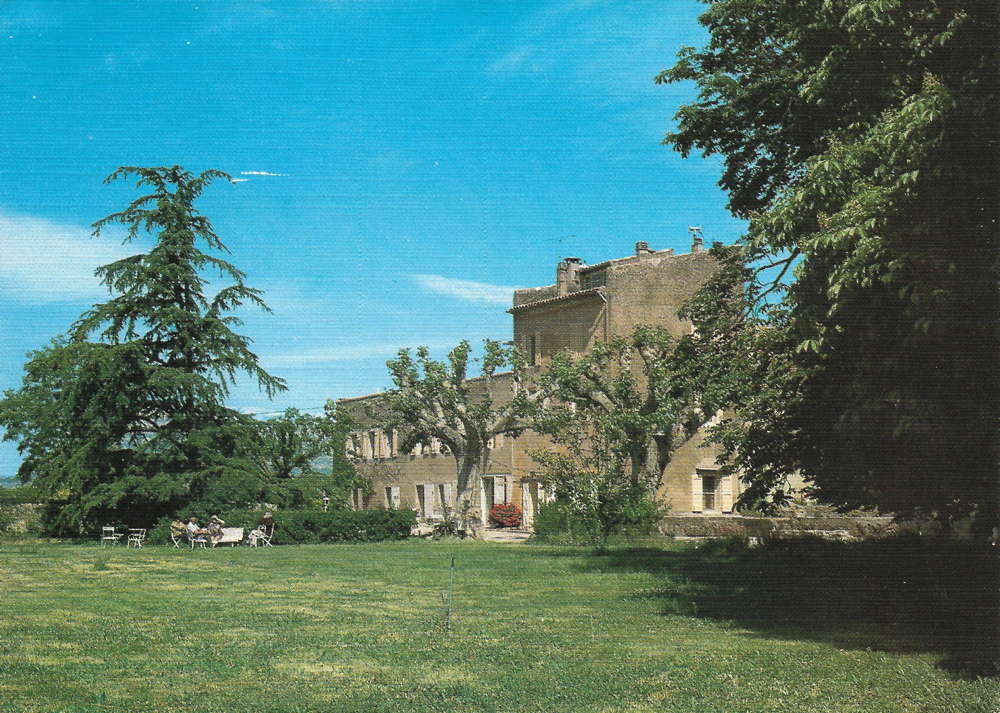
Childhood house, Mas de Beauvoisin-Fontfresque, Pourrières

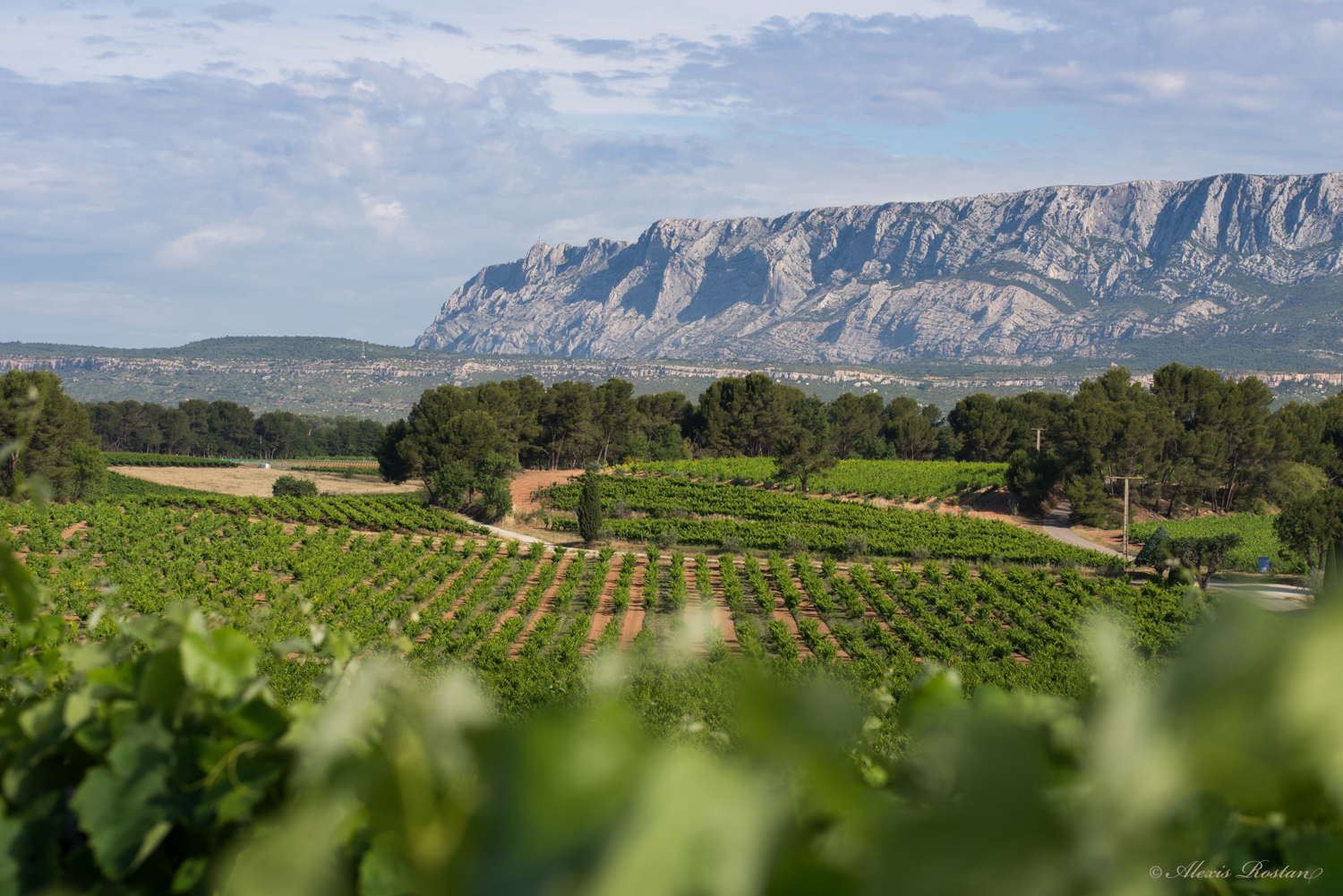
To be even more specific, located between Sainte-Baume and Sainte-Victoire… two mountains small in size but majestic and reputed. One of which, Sainte-Victoire, was Paul Cézanne’s favorite art model. I do really understand why. I love this mountain; its elegance, with varying colour shades, pink when the sun sets, and on top of which a little cloud gets stuck when the following day weather is about to change.

Sainte-Victoire, par Alexis Rostan Photographie
Sainte-Victoire Mountain

Here you go, I just digressed. Anyway, I then book a meting with the agency who wrote the ad in order to visit the property being sold as-is… out of the blue… just curiosity really.

I make sure to inform my husband so he can also be present during that visit.

My initial intention wasn’t to purchase a vineyard, it seems lots of people dream about doing just that – as I’ve learnt afterwards – but it was not really a dream of mine… I was just intrigued by the place.

This day of march was decisive… even though everything appeared to be designed to make you run away from the place…

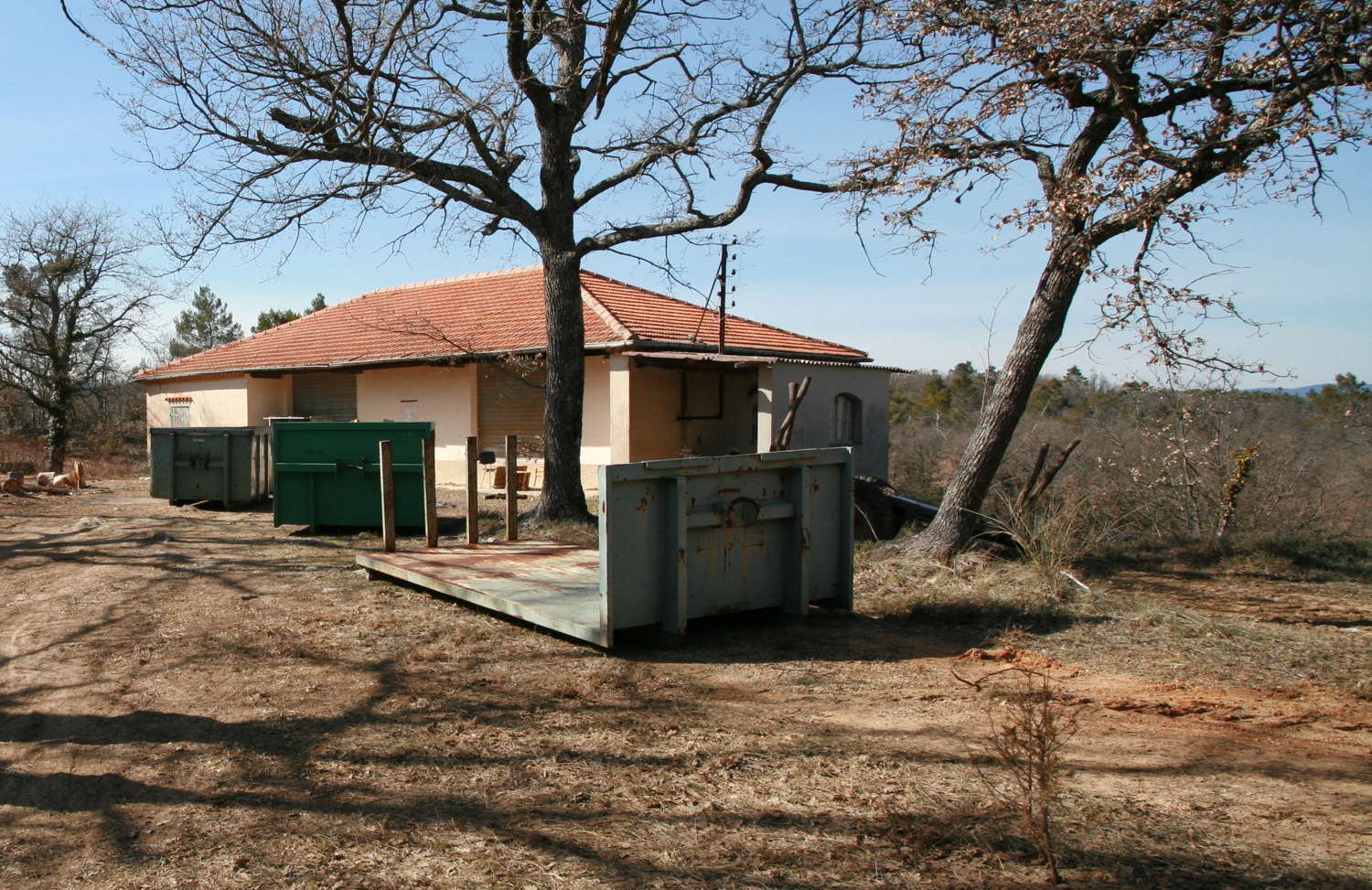
Chai, outside, March 2006

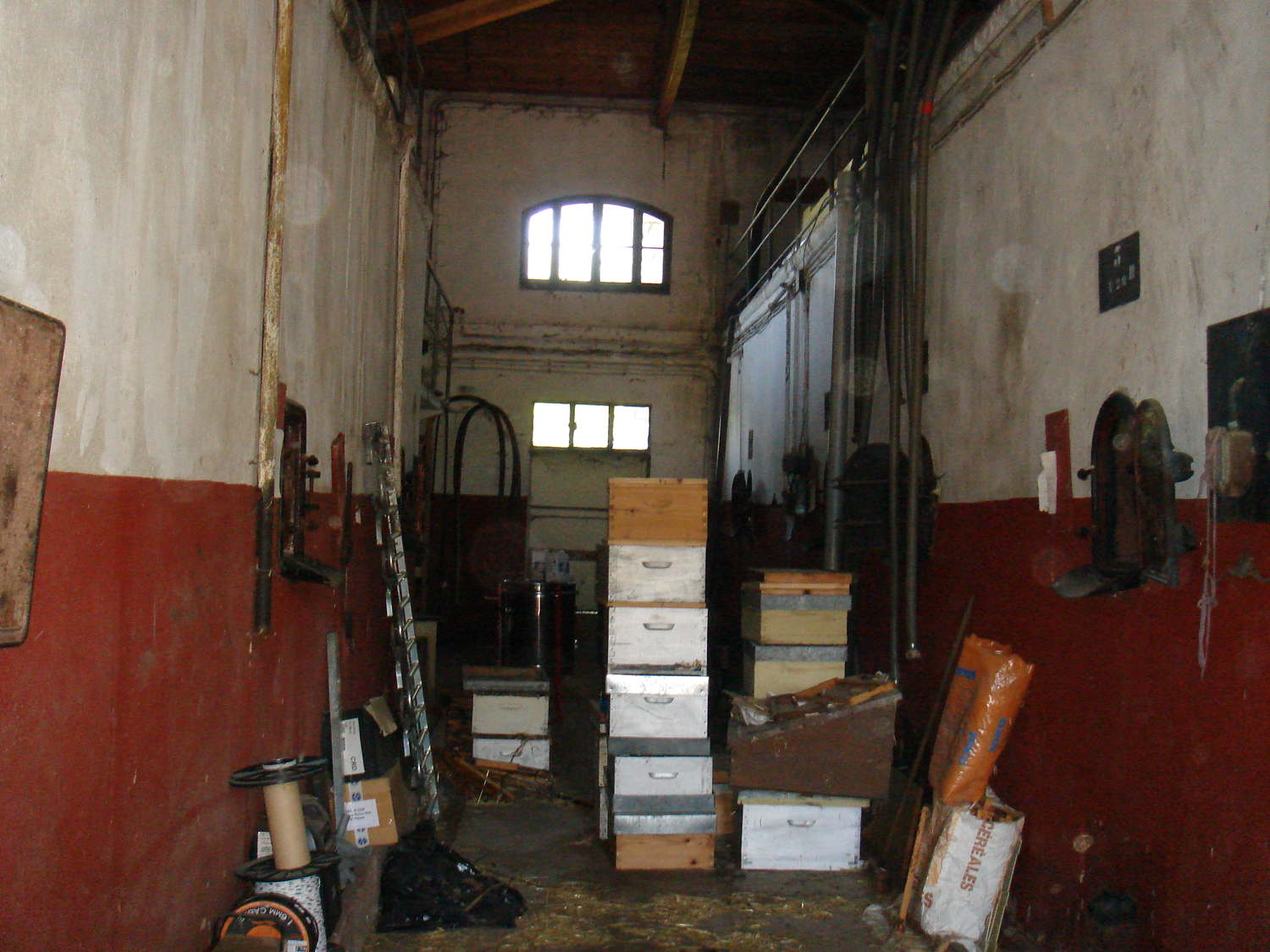
It was a bitter-cold day, fog was omnipresent, which is, altogether, quite rare in the area; everything was abandoned, there were rusted dumpsters, fallen trees, not a single leaf still attached; usual for a day of March but it made the whole location look as dismal as they come. The ‘chai’ (that place where the wine is actually made) did not see the light of wine in more than 40 years and its state was creepy at best. Old rabbit hutches were collecting dust inside; luckily without any rabbits in, poor little things…

Chai, inside, March 2006

Also on the property, two old houses, one of which had been left to rot without occupants for at least fifty years and needed to be entirely restored… The second one was entirely tasteless, without any real identity, the only positive point was that it was possible to live in it, mostly…

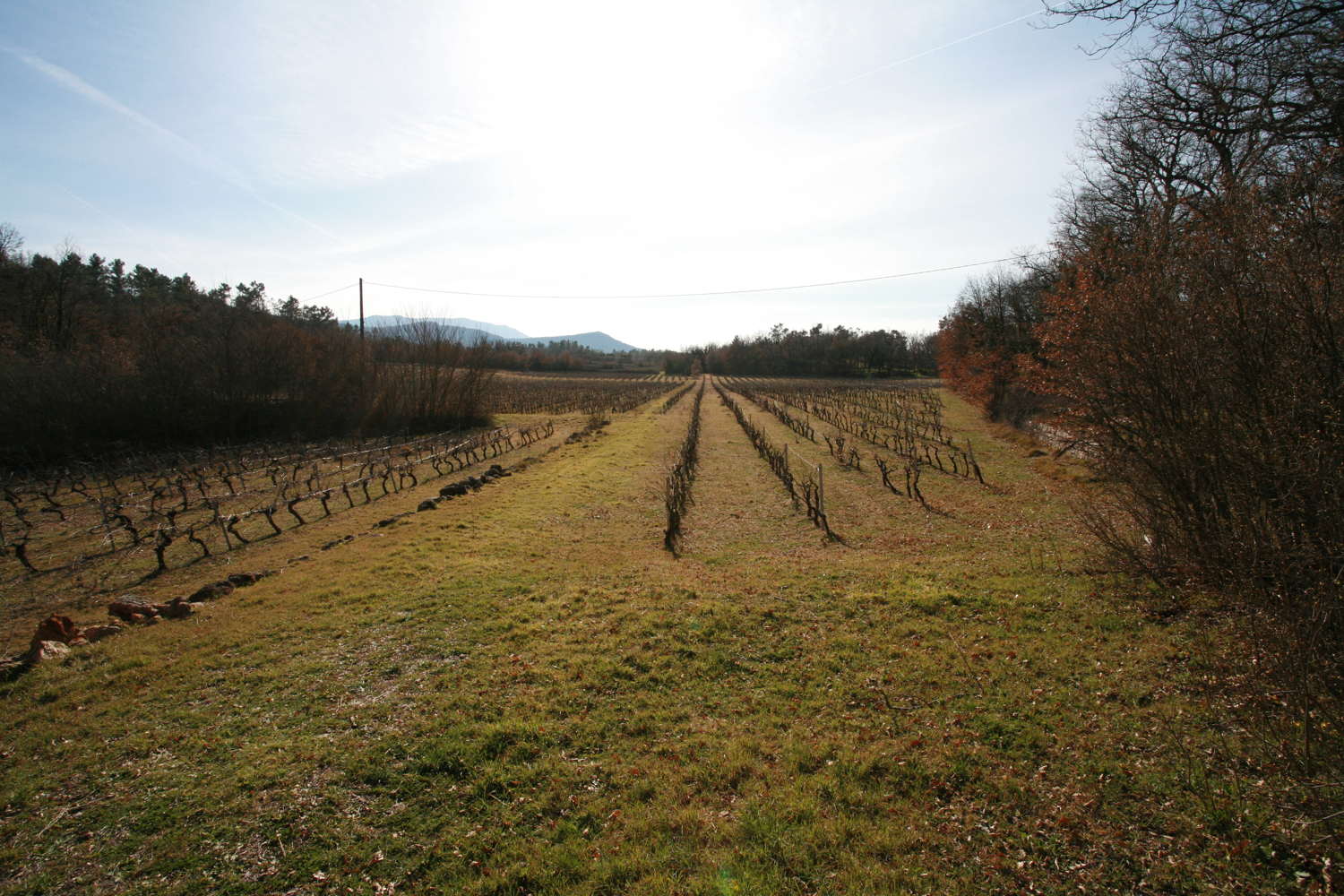
But the worst part… which is precisely what overturned my life in that moment… was the state of the grapevines… abandoned… without any care or love provided in the last 4 years.

Vines, outside, March 2006

That was it, the exact moment I knew what I had to do… I had to save those vines and rebuild this vineyard. I just COULD NOT let them die…

I’ve always loved vines. I loved to walk there and be surrounded by them when I was younger. I felt great there and loved the different shades of green observed on vine leaves, from delicate to dark depending on the varieties.

It might have been my artistic side which marvelled at this palette of colours, and I loved the smell coming from the soil between the vine rows, changing depending on what time of day it was, from the morning dew to the mid-day burning heat.

My favourite moment though, was the evening, at sunset, that point when temperature is ideal and crickets are starting to sing…

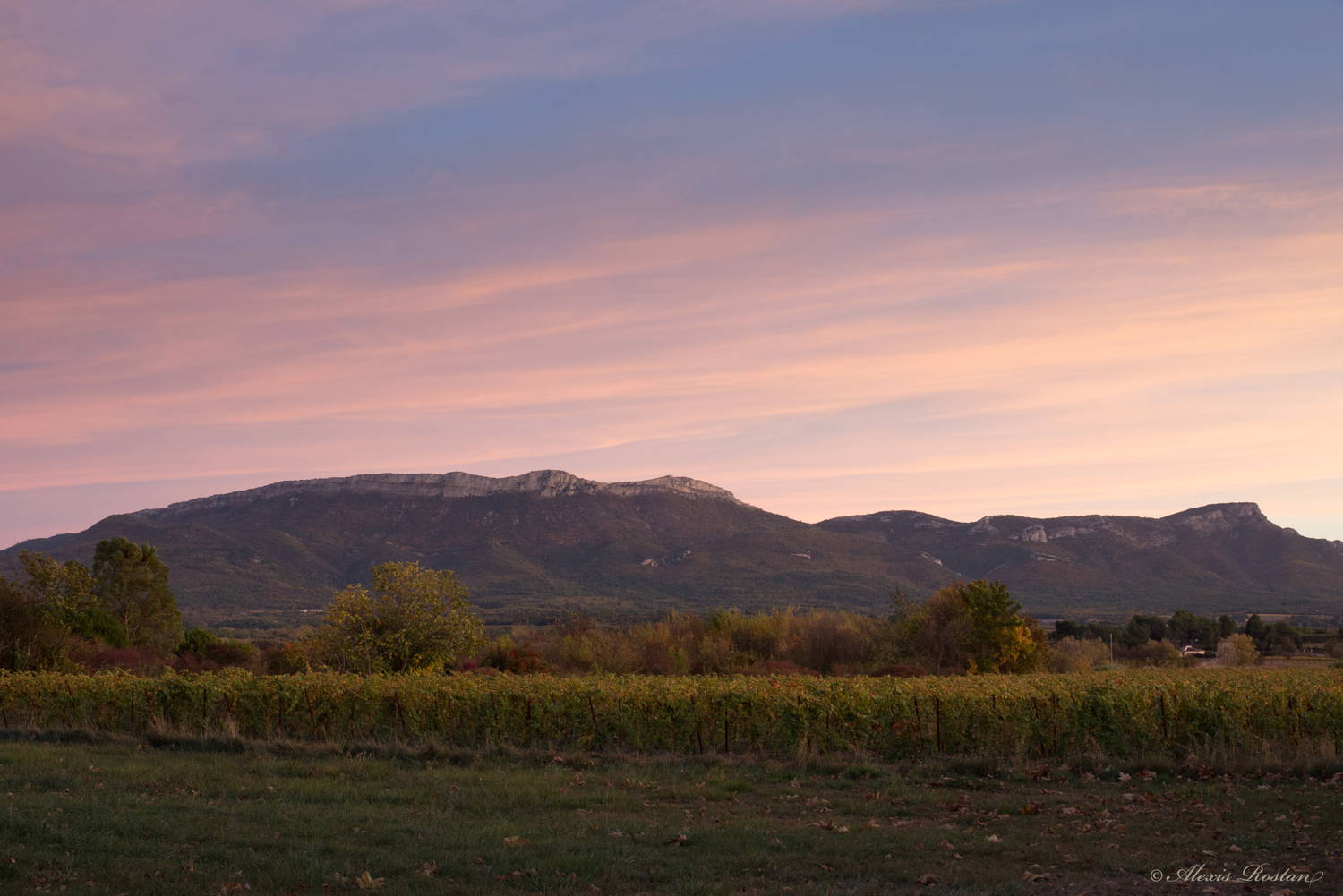
Sainte-Baume, par Alexis Rostan Photographie
Sainte-Baume Mountain

To be continued… next week. À bientôt.

Please leave any comments you may have in the section below.

Adapted from the original French by Yann Sicamois.

Photographs of mountains by Alexis Rostan Photographie.